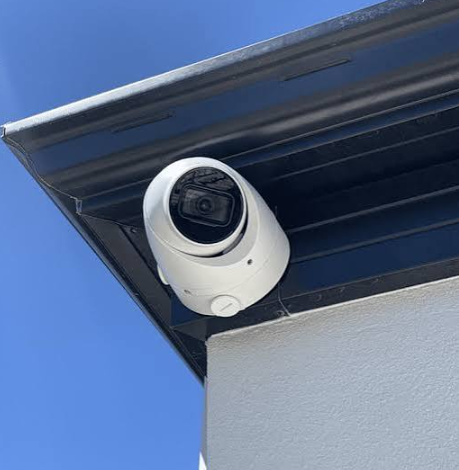
Closed circuit television is one of the most common security upgrades for small businesses, yet many owners buy cameras without a clear plan. Good coverage depends on placement, lighting, storage and privacy as much as hardware. This guide explains how to approach CCTV installation for a small Perth business.
Decide what you want cameras to do
Start by listing the problems you want to address. Some owners want to deter theft, others want to monitor deliveries, check on staff safety or keep an eye on the premises after hours. Your goals determine where cameras go and what quality you need.
Be realistic about what cameras can do. They deter and record, but they do not stop incidents on their own. Combining them with good lighting, sensible locks and an alarm gives a much more effective layered approach to protecting your business. A layered approach is always stronger than any single device.
Understand the types of cameras
Dome cameras are discreet and suit indoor areas such as shop floors and reception desks. Bullet cameras are more visible, which can discourage trouble at entrances and car parks. Pan and tilt models cover wider areas, though they may miss action outside their view.
Resolution and night vision matter. Higher resolution helps identify faces and number plates, while infrared lets cameras see in darkness. Ask for sample footage from the same type of camera in similar conditions so you can judge image quality for yourself. Cheaper cameras often struggle in low light.
Choosing a professional installer
Searching for a CCTV installer Perth turns up plenty of options, so it pays to compare carefully. A good provider will visit your site, discuss your goals and explain why each camera is positioned where it is. Ask about licensing, insurance, warranties and examples of similar projects.
Ask who will maintain the system after installation. Cameras need occasional cleaning, firmware updates and checks to confirm they are recording. A provider who offers support or service visits can save you time and keep problems from going unnoticed for months. Written service terms prevent disputes later.
Clarify what is included in the price. Cabling, mounting hardware, storage devices, set up and training should all be spelled out. Hidden extras can turn a cheap looking quote into an expensive project, so ask questions until the scope is completely clear. Ask for a final handover walkthrough as well.
See also: 15 Psychological Tricks to Make Life Easier
Placing cameras effectively
Cover entry points first. Front and back doors, loading areas, car parks and cash handling spots are common priorities. Position cameras high enough to avoid tampering but low enough to capture faces clearly, and avoid pointing directly into bright light.
Walk the site at different times of day. Glare, shadows and reflections change what a camera sees. Test views before final mounting, and adjust angles so footage is useful in both daylight and darkness rather than only at the time of installation. Take a few photos from each camera position.
Lighting and visibility
Lighting and cameras work together. Well lit areas produce clearer images and make it harder for people to hide. Motion sensor lights near entrances are inexpensive and effective, and they can reduce the amount of footage you need to review.
Keep cameras and lenses clear of dust, cobwebs and overgrown plants. A blocked view might as well be no camera at all. Add a regular inspection to your cleaning routine so problems are fixed before an incident occurs. Regular checks cost little and prevent blind spots.
Running the business around the system
Security is only one of many demands on a small business owner. Marketing, bookkeeping, hiring and customer service all compete for attention, and it is tempting to leave online visibility until later. A little planning now prevents scrambling when you need more customers.
Some owners speak with a marketing consultant perth to review their website, local listings and advertising. Ask for plain explanations, examples of past work and realistic expectations about timeframes. A good adviser helps you decide where limited time and money will do the most good.
Whatever you choose, keep your business details accurate everywhere customers might look. Opening hours, phone numbers and addresses should match across your website and listings. Consistent information builds trust, and it helps customers reach you when they need to. It also reassures customers that your business is genuine.
Storage, access and privacy
Decide how long you need to keep footage. Longer storage needs more capacity, and some systems overwrite old recordings automatically. Choose a retention period that fits your needs, and make sure recordings are stored securely, with strong passwords and limited access.
Be open with staff and customers. Signs at entrances tell people that cameras are in use, and a short written policy explains who can view footage and why. Avoid placing cameras where people expect privacy, such as toilets, and seek professional advice on your legal obligations. Review the policy each year as your system changes.
Maintaining your system
Test the system regularly. Check each camera view, confirm recordings are saved and make sure you can retrieve footage when needed. Many owners only discover a fault after an incident, when it is too late to fix the problem. A monthly check is usually enough.
Keep passwords and software up to date. Cameras connected to the internet can be targeted by hackers, so use strong, unique passwords and install updates promptly. Ask your installer how remote access is secured and who can log in. Ask for logins to be removed when staff leave.
Plan for power and connectivity. A short outage can leave you without recording at a critical moment. Consider backup power for the recorder and check that network connections are reliable, particularly if cameras rely on wireless links. Test the backup power every few months.
Reviewing your setup
Review your needs once a year. Layout changes, new stock, extra staff and different opening hours can all affect coverage. A short walk around with your installer can identify gaps before they become problems. Update your records whenever equipment changes.
A well planned CCTV system supports a safer, calmer business. Define your goals, choose a capable installer, place cameras thoughtfully and look after the equipment. With sensible habits, your cameras will do their job quietly in the background for years. Review it annually and adjust when your business changes.
Link 1: https://www.greatwhitesecurity.com/services/cctv-installation-perth/ | CCTV installer Perth
Link 2: https://verydeliberate.com/ | marketing consultant perth