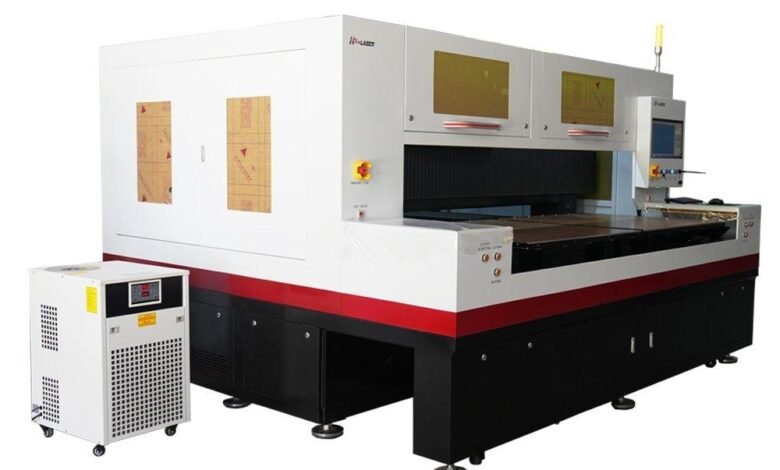
Buying a picosecond laser cutting machine is a significant investment, and the market offers many options with different power levels, beam qualities and automation features. Choosing well means matching the machine to the materials you cut, the precision you need and the volumes you expect to produce. This guide walks through the decisions that matter most, so you can compare machines on the factors that actually affect your results.
Start With Your Materials and Applications
The first step is to list what you will cut. A picosecond laser cutting machine is most often bought for glass, sapphire, ceramics or thin metals, and each material places different demands on the system. Thin display glass needs fine focus control and a stable beam, while sapphire needs higher peak power to cut efficiently. If you cut a mix of materials, look for a machine with adjustable pulse energy and frequency, so one system can cover the whole range.
Thickness matters too. Most picosecond systems work best on thin materials, and the maximum thickness they handle well depends on the laser power and the optics. Ask suppliers for cutting samples in your exact materials and thicknesses before you commit, since a demonstration on your own parts tells you more than any brochure.
Power, Pulse Width and Beam Quality
Average power decides how fast the machine cuts, but it is not the whole story. Pulse width, the duration of each individual pulse, decides how clean the cut is: shorter pulses mean less heat and sharper edges. A picosecond laser cutting machine typically works with pulse widths in the range of a few to a few tens of picoseconds, and the right value depends on your material.
Beam quality is equally important. A beam that focuses to a small, clean spot produces finer features and narrower cuts. Ask about the beam quality figure and the focus spot size, and compare these numbers between machines rather than relying on power alone. A lower-power machine with an excellent beam can outperform a higher-power machine with poor focus.
Motion System and Software
The laser is only half the machine. The motion system that moves the beam, or the part, decides the accuracy of the finished cut. Look for a rigid frame, high-resolution linear motors or precision stages, and a control system that can follow complex paths smoothly. Vibration is the enemy of precision, so a well-built frame is worth paying for.
Software deserves the same attention. The control software should import standard design files easily, let you adjust laser parameters for each material, and store proven settings for repeat jobs. Good software also includes process monitoring, so the operator can see whether the cut is proceeding as expected and adjust before parts are wasted.
Automation and Throughput
If you plan to run the machine for hours at a time, automation features matter. Automatic loading and unloading, vision systems that align each part before cutting, and the ability to run unattended all increase throughput. A picosecond laser cutting machine with a vision alignment system can compensate for small variations in part placement, which reduces scrap and improves consistency.
Think about your expected volumes honestly. A machine bought for occasional prototype work does not need the same automation as one that will run three shifts in a display factory. Paying for automation you will never use wastes money, but skipping it when you need it costs far more in lost production.
Support, Training and Service
A picosecond laser cutting machine is a precision instrument, and the quality of the supplier relationship matters as much as the machine itself. Check what training is included, how quickly spare parts can be delivered, and whether the supplier offers remote support. A manufacturer with experience in your industry will understand your applications and help you set up proven cutting parameters, which shortens the time from installation to full production.
Warranty terms and service response times should be agreed in writing before purchase. Ask for references from customers in a similar field, and if possible, visit a working installation to see the machine running in real production conditions.
5 Questions to Ask Every Supplier
- Can you cut samples of my exact materials and thicknesses?
- What pulse width and beam quality does the machine offer?
- How does the motion system handle complex, high-precision paths?
- What automation options are available, and what do they cost?
- What training, warranty and service response do you provide?
Budgeting Realistically
The purchase price is only part of the total cost. Factor in installation, extraction and safety equipment, operator training, spare optics and planned maintenance. A picosecond laser cutting machine with a lower purchase price but expensive consumables or slow service can cost more over five years than a better-supported alternative. Ask each supplier for an estimate of running costs, and compare the total cost of ownership, not just the headline price.
Frequently Asked Questions
Should I buy the most powerful machine I can afford?
Not necessarily. Extra power helps with thicker materials and faster cutting, but for thin glass and delicate work, beam quality and control matter more. Match the power to your materials.
How long does it take to get a new machine into production?
Allow time for installation, safety checks, operator training and process development. Cutting your own parts reliably usually takes a few weeks after the machine arrives.
Can one machine handle both cutting and drilling?
Yes, many picosecond systems can cut outlines and drill small holes in the same setup, which is useful for display glass and electronic components.
Final Thoughts
Choosing a picosecond laser cutting machine comes down to matching the system to your work: your materials, your precision requirements and your production volumes. Compare beam quality and control as carefully as power, insist on cutting samples in your own materials, and weigh the supplier support as heavily as the machine itself. Done this way, the investment delivers clean, precise cuts and reliable production for years.