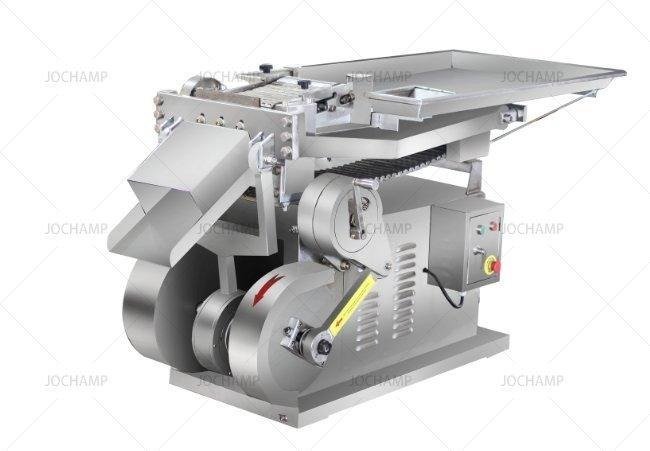
Buying a tobacco cutting machine is a decision that shapes the quality of your product for years. The cut determines how the tobacco burns, how evenly it packs and how consistent the final blend feels. A machine that cuts cleanly and reliably makes every later step easier, while a poor choice brings uneven cuts, wasted leaf and constant adjustments. Knowing what to look for before you buy saves money, time and frustration.
Why the Cut Matters So Much
Tobacco is cut into fine strands or flakes before it is blended and packed. The width and evenness of that cut affect how the tobacco burns, how it draws and how it tastes. A cut that is too coarse burns unevenly. A cut that is too fine can pack too tightly and restrict airflow. The right machine produces a steady, uniform cut batch after batch.
A tobacco cutting machine works by feeding conditioned leaf through a set of sharp blades or a rotating cutter head. The leaf must be at the right moisture level, the blades must be sharp, and the feed must be steady. When all three are right, the result is a clean, even cut that needs little further handling.
Cutting Systems and How They Differ
Most tobacco cutting machines use one of two approaches. Rotary cutters slice the leaf with a spinning drum fitted with blades, which suits high-volume production and gives a very even strand. Guillotine or reciprocating cutters press a blade through the leaf in a straight stroke, which suits smaller batches and gives the operator more control over the cut.
Neither system is better in every case. A rotary machine suits a business cutting large volumes of a standard blend. A smaller reciprocating machine suits a workshop that changes blends often and values flexibility over raw speed. Think about your daily volume first, then match the cutting system to it.
Capacity, Size and Build Quality
Capacity is the first number to check. A machine rated for far more than your daily volume will cost more than you need, while a machine rated below it will run at its limit all day and wear out early. Choose a model with comfortable headroom above your usual output, so busy days are covered without strain.
Build quality matters just as much. Look for a solid steel frame, good bearings and blades made from hardened steel that holds an edge. Cheaper machines often cut well when new but lose accuracy as parts wear. A well-built tobacco cutting machine keeps its precision for years, and its parts are easy to find when they eventually need replacing.
Ease of Use and Cleaning
A tobacco cutting machine handles sticky, resinous leaf, so it needs regular cleaning. Check how easy it is to reach the cutter head, the feed rollers and the collection area. Machines with quick-release guards and simple access save a great deal of time over a working week.
Controls should be clear and simple. Operators need to adjust feed speed and cut width without stopping the line for long, and new staff should be able to learn the basics quickly. A machine that is easy to run is a machine that gets used well.
5 Questions to Ask Before Buying
- What daily volume will the machine cut, and does it leave room to grow?
- Which cut widths does it produce, and are they the widths your blends need?
- How quickly can blades be sharpened or changed, and how much do spares cost?
- How easy is the machine to clean, and how long does a full clean take?
- What support does the supplier offer for installation, training and spare parts?
Testing Before You Commit
Whenever possible, test a machine with your own leaf before buying. Bring a sample of the tobacco you normally process, at the moisture level you normally use, and watch the cut it produces. Check the strands for evenness, look for crushed or torn leaf, and ask the operator how the machine behaves over a longer run.
A short test tells you more than any brochure. It shows how the machine handles your material, how loud it is, how much dust it produces and how the finished cut looks in your hand.
Common Mistakes When Choosing a Machine
One common mistake is buying on price alone. A cheap tobacco cutting machine often costs more in the long run through poor cuts, frequent blade changes and early wear. Another is ignoring the supplier: a machine with no local support for spares and servicing can stand idle for weeks waiting for a part.
A third mistake is skipping the test. A machine that looks right on paper may not suit your leaf or your blends. Always run your own material through the tobacco cutting machine before you commit, and judge the cut with your own eyes.
Frequently Asked Questions
How fine should tobacco be cut?
It depends on the product. Fine shag suits rolling tobacco, while a slightly wider cut suits pipe blends. The machine should offer adjustable cut widths to cover your range.
How often do the blades need sharpening?
It depends on use and on the leaf, but regular sharpening is part of normal operation. A machine with easy blade access makes this a quick routine job rather than a long shutdown.
Can one machine handle different tobacco types?
Yes, most machines cut a range of leaf types, though very dry or very moist leaf may need conditioning first. Check that the machine suits the varieties you process.
Final Thoughts
A tobacco cutting machine is a long-term investment, so choose with care. Match capacity to your real volume, check build quality and blade access, and test the machine with your own leaf before you buy. The right machine will cut cleanly, run reliably and repay its cost through years of steady, consistent production.