
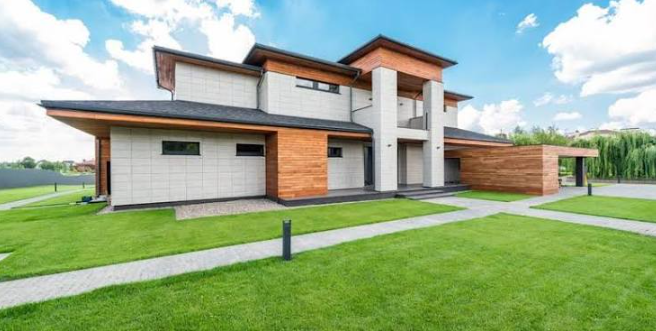
Your lawn and your home should look like they belong together. A mismatch between roof, render, fencing and turf is easy to avoid when you plan the colours before ordering anything. This article shows Camden homeowners how to match a new lawn to the palette of the house.
Start by reading your home’s colours
Stand on the street and look at the front of your house the way a visitor would. Notice the dominant colours first, usually the roof, the walls and the front door. Those shades set the tone for everything that sits around them, including the lawn.
Then look closer for undertones. White can lean warm cream or cool grey, and brick can run from orange to deep brown. Matching undertones makes a garden look settled, while clashing ones create a faint tension that is hard to explain but easy to feel.
Understanding how green behaves
Turf greens range from fresh lime to a deep forest shade, with plenty of variation in between. Brighter greens tend to look lively beside warm brick and timber, while darker greens give cooler, modern homes a quieter, more formal frame. Consider which mood suits your house.
Remember that colour shifts through the seasons and across the day. A lawn that looks vivid in spring may soften in winter, and afternoon light warms everything. Choose a shade you like in a range of conditions, rather than only on a sunny morning.
See also: 15 Psychological Tricks to Make Life Easier
Planning the installation
Many homeowners find that arranging Camden turf installation through a local supplier keeps delivery, preparation and laying coordinated. Ask about timing, access for delivery trucks and how much notice the team needs before the day. A clear plan helps you avoid turf sitting rolled up in the sun for too long.
Preparation decides how the finished lawn will look. The soil should be levelled, cleared of rubble and weeds, and loosened so roots can spread. Take time to correct low spots and drainage problems, because turf laid over an uneven base will show every flaw once it is established.
Plan access for materials and tools. Wheelbarrows, pallets and rolls of turf all need a clear route, and side gates are often narrower than you think. Measure carefully, protect paths and garden beds, and move pots and furniture well before the crew arrives. Small preparations make the installation day far smoother.
Choosing edges and surrounds
Edges give a lawn its finished look. Crisp lines against paving or garden beds make the green appear richer and more deliberate. Decide on materials such as steel, timber or simple trenched edges before laying, so the turf meets them neatly without awkward trimming later. Consider maintenance needs when you choose.
Paving and mulch colours matter as much as the grass itself. Pale pavers brighten shaded yards, while dark stone adds drama to sunny spaces. Pick materials that sit comfortably with your roof and render, and avoid introducing too many different tones in a single small area.
Using plants to link house and lawn
Plants bridge the gap between building and lawn. Choose foliage and flowers that echo a colour from the house, such as a silvery grey beside a charcoal door. These repeated tones tie everything together without making the garden feel overly formal or contrived. Even a few pots can carry the colour.
Think about height and texture too. Low, soft plants soften hard corners, while taller shrubs add privacy and structure along fences. Keep the lawn area generous and uncluttered, so it reads as a calm space rather than a patchwork of competing features. Fewer, larger groupings usually look better.
Recording your palette
Once the plan comes together, write it down. Note the roof, wall, fence and paving colours, the turf variety and the main plants. A written record helps if you repaint, replace a path or extend the garden later and want everything to match. Add photos taken in natural light.
If you like the idea of a documented palette, a website style guide creator can turn colours and fonts into a shareable reference page. Designers use these for brands, but the same approach works for a home. Keep it simple, and update it whenever you change something outside.
Store the record where you can find it. A folder on your phone or a shared document works well, and it is easy to show tradespeople. When someone asks which white or grey you used, you will have the exact answer ready within seconds. That saves money and prevents mismatched touch ups.
Caring for the lawn after laying
The first weeks after installation are critical. Keep the turf consistently moist, especially during hot or windy weather, so roots can grow into the soil below. Follow the supplier’s care instructions, and check the edges and corners, which tend to dry out faster than the middle.
Avoid walking on the lawn more than necessary until it has rooted. Give it a few weeks before the first mow, and keep the blades set high at first. Gentle treatment now leads to a thicker, more uniform lawn that holds its colour well.
Seasonal maintenance habits
Once established, a regular routine keeps colour consistent. Mow often enough that you never remove too much leaf at once, and water deeply but less frequently. Deep watering encourages stronger roots and helps the lawn cope with the warmer stretches of the year. Sharp mower blades also give a cleaner finish.
Feed the lawn according to the needs of your variety. Fertiliser at the right time supports healthy growth and deep colour, but too much can burn or encourage weeds. Read product labels carefully, and ask a local garden centre if you are unsure. Little and often is usually safer.
Watch for problems early. Patches that turn yellow, thin or brown may signal pests, disease, compaction or dry spots. Investigate quickly, because early treatment is cheaper and simpler than repairing large areas, and photographs help advisers understand what is happening in your yard. Keep notes of any changes.
Keeping the whole garden consistent
Over the years, the house and garden will change. A repaint, new fence or extension can shift the palette, so revisit your record before choosing colours. Small updates keep the look coherent, and you avoid expensive corrections after the work is finished. A quick check takes minutes.
A well matched lawn adds to the pleasure of coming home. Take time to study your house, choose a turf shade you love and record each decision. With careful planning and steady care, the result should look natural and last for many seasons. Enjoy the process too.


