Modern manufacturing depends on metal components that deliver accuracy, durability, and consistent performance. Metal alloys stamping is a valuable manufacturing process for producing specialized parts from materials selected for their mechanical, electrical, and physical properties. From automotive systems to consumer electronics and industrial machinery, precision-stamped alloy components help manufacturers create reliable products that meet specific design requirements.
Understanding Metal Alloys Stamping
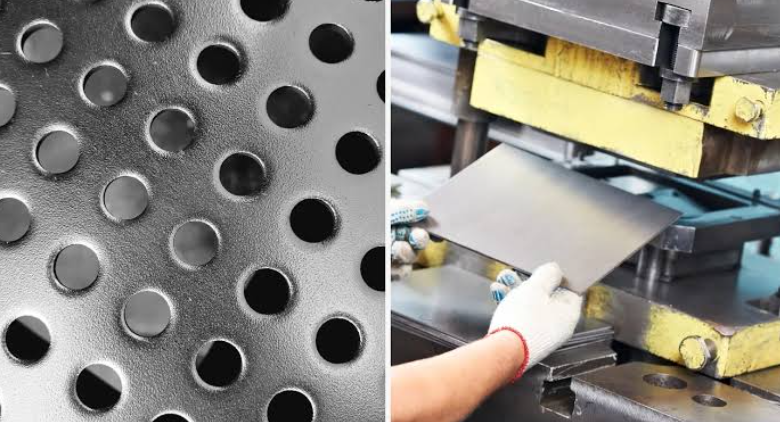
Metal stamping uses specialized presses and dies to cut, bend, shape, or form metal sheets into predetermined designs. When manufacturers select suitable alloys, they can produce components with characteristics such as strength, flexibility, conductivity, and resistance to corrosion.
The best material depends on the component’s intended purpose. Engineers typically consider operating conditions, material thickness, required tolerances, production volume, and the forces a part must withstand. Careful material selection and appropriate tooling help ensure that the finished components meet the required specifications.
Key Benefits of Precision Alloy Stamping
One of the primary advantages of alloy stamping is its ability to manufacture repeatable components efficiently. Once the tooling and production process have been validated, manufacturers can produce large quantities of parts with consistent dimensions and shapes.
Other benefits include:
- Dimensional accuracy: Properly designed dies help create components that meet defined measurements and tolerances.
- Material versatility: Different alloys provide properties suited to electrical, mechanical, and structural applications.
- Production efficiency: Automated stamping can support high-volume manufacturing and reduce processing time per part.
- Design flexibility: Stamping can produce intricate shapes, openings, bends, and specialized features.
- Consistent quality: Process monitoring and inspection help identify defects and maintain production standards.
These advantages make precision stamping an effective option for manufacturers seeking dependable components and efficient production workflows.
Applications Across Different Industries
Metal alloy stamping serves numerous industries that require reliable, accurately formed parts. In the automotive sector, stamped components may be used in electrical terminals, connectors, brackets, and other vehicle assemblies. These parts must often maintain consistent performance under vibration, temperature changes, and repeated use.
Consumer electronics manufacturers use precision-stamped components in compact devices, electrical contacts, shielding structures, and connection systems. Copper alloys, stainless steel, and other suitable materials can be selected according to conductivity, durability, and design requirements.
Industrial equipment manufacturers also depend on stamped metal components for machinery, mounting systems, and functional assemblies. Medical equipment may require small, precisely manufactured metal parts that comply with demanding dimensional and quality specifications.
The appropriate material and stamping method vary by application, so each project should begin with a clear understanding of its technical requirements.
Choosing the Right Metal Stamping Partner
Selecting a capable manufacturing partner can significantly influence product quality and production efficiency. Buyers should evaluate a supplier’s material expertise, tooling capabilities, engineering support, quality-control procedures, and ability to handle both prototypes and larger production runs.
It is also important to provide detailed technical drawings, material specifications, dimensional tolerances, and estimated order quantities. This information helps the manufacturer assess feasibility and recommend a suitable production process.
Prototype testing and sample inspection can reveal potential design issues before mass production begins. Additional operations, such as deburring, cleaning, or surface finishing, may also be necessary depending on the component’s final application.
Explore Metal Alloys Stamping Solutions
Finding the right combination of alloy materials, tooling, and manufacturing processes helps businesses produce components that meet their performance requirements. HSK Precision provides precision metal stamping and customized component manufacturing for industries including automotive, electronics, medical equipment, and industrial applications.
Businesses exploring metal alloys stamping can review the available material category at HSK Precision to learn more about its alloy-related offerings. By prioritizing suitable materials, accurate tooling, and reliable quality control, manufacturers can develop durable components and support consistent production outcomes.