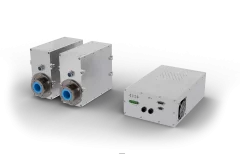
A blurred image can delay a diagnosis, hide a manufacturing defect, or force an inspection line to repeat its work. Behind consistent imaging is an engineered electrical system that controls how X-rays are produced.
Selecting suitable components matters to equipment designers, system integrators, and manufacturers. For these teams, the power supply of X-ray machine influences output stability, operating range, and overall imaging performance across diverse equipment and imaging applications. Careful matching also supports dependable operation throughout the modern equipment lifecycle.
Understanding Electrical Control Across Modern X-Ray Systems
An X-ray system relies on coordinated power delivery, tube operation, and control electronics. Each stage must work together to produce consistent output.
See also: 15 Psychological Tricks to Make Life Easier
1. Converting Input Power Into High Voltage
An X-ray tube needs a high potential difference to accelerate electrons from cathode to anode. The generator converts incoming electricity into controlled high voltage and regulates tube current. These settings influence beam production and must match the tube and application. Stable control supports predictable operation. Voltage fluctuations or poor current regulation can affect image consistency.
2. Managing Voltage And Current
Voltage affects photon energy, while tube current influences the quantity of radiation produced. The combination depends on material, geometry, detector, and task. A system needs suitable adjustment and repeatability, not maximum output. Excess capacity may add cost, size, and cooling demands without improving results.
3. Coordinating Filament And Control Electronics
The filament circuit heats the cathode to enable electron emission. Control electronics coordinate this function with high-voltage generation, operating commands, and protective functions. An integrated source packages these elements with the X-ray tube, reducing the need for separate assemblies. Compatibility remains essential. Verify control signals, filament requirements, connections, and operating limits before selecting an arrangement.
4. Maintaining Output Stability
Consistent output is important for producing repeatable imaging results. A well-regulated generator helps minimise fluctuations during exposure and supports predictable operation. Engineers should evaluate output stability under expected workloads, including variations in operating conditions. This helps identify potential performance issues before equipment reaches regular use.
Matching Power Supply Requirements To Imaging Applications
Applications place different demands on output, duty cycle, size, and integration. Selection should begin with the actual operating task, detector requirements, and environment in which the equipment will function.
1. Medical And Diagnostic Equipment
Medical imaging requires controlled exposures and dependable operation. Designers must match generator characteristics to the tube, detector, imaging method, and clinical workflow. Performance also depends on calibration, shielding, regulatory compliance, and overall system design. No single component can guarantee diagnostic quality or safety. The complete device requires validation and qualified oversight.
2. Industrial Non-Destructive Testing
Industrial NDT reveals internal features without damaging components. Applications include weld examination, material analysis, thickness gauging, and product inspection. Material density and thickness influence required energy and beam arrangements. Select generators for penetration, detector response, scan speed, and operating conditions.
3. Security And Food Inspection
Baggage, parcel, and cargo screening rely on repeatable imaging at high throughput. Food inspection can use X-rays to identify foreign contaminants or assess product characteristics. Extended operation makes thermal management, stable output, and conveyor integration important. Compactness also matters in restricted spaces.
4. Electronics And Analytical Systems
Electronics manufacturers use X-rays to examine solder joints, count components, and identify internal defects. Analytical instruments examine material properties. Repeatability matters when comparing samples or production batches. Assess generator stability alongside focal spot, geometry, detector capability, and required resolution.
Evaluating Generator Performance Before System Integration
Datasheets provide essential figures, but engineers must assess them against the complete design. The power supply of X-ray machine must suit the tube, detector, controls, and cooling.
1. Review Voltage, Current, And Power Ranges
Confirm the voltage, current, and power range required. A broad specification may offer flexibility, but the model must support actual operating points and duty cycle. Review output regulation, ripple, control resolution, and tube compatibility before finalising the design. This review should reflect operating conditions and the intended service environment.
2. Consider Thermal Design And Duty Cycle
High-voltage components generate heat. Cooling arrangements and thermal limits affect operating duration and recovery time. Review the manufacturer’s temperature range, cooling method, and duty-cycle restrictions. Poor thermal planning can interrupt operation and shorten component life. Consider ambient temperature, ventilation, and spacing around heat-producing components.
3. Check Interfaces And Mechanical Fit
Integration also involves mounting, dimensions, cable routing, communication interfaces, and control signals. Standard digital interfaces can simplify host communication, while suitable mounting can reduce installation complexity. Confirm these details early for compact or customised OEM platforms.
4. Examine Safety And Documentation
Review technical data sheets, operating instructions, safety information, and compliance documents. The complete system must meet regulations for its market and intended use. Account for shielding, interlocks, grounding, electrical isolation, and service access. Component specifications do not replace system-level risk assessment.
Improving Reliability Through Careful X-Ray System Design
Performance depends on matching components and operating conditions, not on a single specification. A structured design review helps identify constraints before they affect installation, commissioning, or routine operation.
- Define the imaging task, material, and expected throughput.
- Match tube voltage and current requirements to the application.
- Confirm cooling, mounting, interfaces, and available space.
- Review safety controls and documentation before installation.
- Plan maintenance access and lifecycle support.
Test the assembled system under representative conditions. Prototype trials can reveal heat, image consistency, communication, or layout issues before production. Recorded results provide a baseline for servicing and design improvements, reduce integration changes, and support decisions based on measured behaviour.
Conclusion: Choosing High-Voltage Technology For Long-Term Performance
Power architecture affects more than image generation. It influences equipment size, adaptability, and long-term performance, making early specification decisions important for OEM teams. When evaluating high-voltage power solutions, manufacturers should consider output requirements, integration constraints, operating conditions, and application-specific needs before selecting components.
VJ X-Ray develops integrated X-ray sources and high-voltage generators for original equipment manufacturers. Its product range includes integrated units that combine the X-ray tube, high-voltage power supply, and control electronics, as well as separate generator options. They support applications spanning medical imaging, security inspection, industrial NDT, electronics, food inspection, and analytical systems. Its engineering and manufacturing experience, configurable product options, and technical support can help OEM teams assess component choices against their system requirements. A well-matched design gives the finished system a stronger foundation for dependable imaging performance across demanding operating conditions and servicing.